Category: Home Security

  • Synthetic Realities: An Investigation into the Technology, Ethics, and Detection of AI-Generated Media

    Synthetic Realities: An Investigation into the Technology, Ethics, and Detection of AI-Generated Media

    Section 1: The Generative AI Revolution in Digital Media

    1.1 Introduction

    The advent of sophisticated generative artificial intelligence (AI) marks a paradigm shift in the creation, consumption, and verification of digital media. Technologies capable of producing hyper-realistic images, videos, and audio—collectively termed synthetic media—have moved from the realm of academic research into the hands of the general public, heralding an era of unprecedented creative potential and profound societal risk. These generative models, powered by deep learning architectures, represent a potent dual-use technology. On one hand, they offer transformative tools for industries ranging from entertainment and healthcare to education, promising to automate complex tasks, personalize user experiences, and unlock new frontiers of artistic expression.1 On the other hand, the same capabilities can be weaponized to generate deceptive content at an unprecedented scale, enabling sophisticated financial fraud, political disinformation campaigns, and egregious violations of personal privacy.4

    This report presents a comprehensive investigation into the multifaceted landscape of AI-generated media. It posits that the rapid proliferation of synthetic content creates a series of complex, interconnected challenges that cannot be addressed by any single solution. The central thesis of this analysis is that navigating the era of synthetic media requires a multi-faceted and integrated approach. This approach must combine continued technological innovation in both generation and detection, the development of robust and adaptive legal frameworks, a re-evaluation of platform responsibility, and a foundational commitment to fostering widespread digital literacy. The co-evolution of generative models and the tools designed to detect them has initiated a persistent technological “arms race,” a dynamic that underscores the futility of a purely technological solution and highlights the urgent need for a holistic, societal response.7

    1.2 Scope and Structure

    This report is structured to provide a systematic and in-depth analysis of AI-generated media. It begins by establishing the technical underpinnings of the technology before exploring its real-world implications and the societal responses it has engendered.

    Section 2: The Technological Foundations of Synthetic Media provides a detailed technical examination of the core generative models. It deconstructs the architectures of Generative Adversarial Networks (GANs), diffusion models, the autoencoder-based systems used for deepfake video, and the neural networks enabling voice synthesis.

    Section 3: The Dual-Use Dilemma: Applications of Generative AI explores the dichotomy of these technologies. It first examines their benevolent implementations in fields such as entertainment, healthcare, and education, before detailing their malicious weaponization for financial fraud, political disinformation, and the creation of non-consensual explicit material.

    Section 4: Ethical and Societal Fault Lines moves beyond specific applications to analyze the deeper, systemic ethical challenges. This section investigates issues of algorithmic bias, the erosion of epistemic trust and shared reality, unresolved intellectual property disputes, and the profound psychological harm inflicted upon victims of deepfake abuse.

    Section 5: The Counter-Offensive: Detecting AI-Generated Content details the technological and strategic responses designed to identify synthetic media. It covers both passive detection methods, which search for digital artifacts, and proactive approaches, such as digital watermarking and the C2PA standard, which embed provenance at the point of creation. This section also analyzes the adversarial “cat-and-mouse” game between content generators and detectors.

    Section 6: Navigating the New Reality: Legal Frameworks and Future Directions concludes the report by examining the emerging landscape of regulation and policy. It provides a comparative analysis of global legislative efforts, discusses the role of platform policies, and offers a set of integrated recommendations for a path forward, emphasizing the critical role of public education as the ultimate defense against deception.

    Section 2: The Technological Foundations of Synthetic Media

    The capacity to generate convincing synthetic media is rooted in a series of breakthroughs in deep learning. This section provides a technical analysis of the primary model architectures that power the creation of AI-generated images, videos, and voice, forming the foundation for understanding both their capabilities and their limitations.

    2.1 Image Generation I: Generative Adversarial Networks (GANs)

    Generative Adversarial Networks (GANs) were a foundational breakthrough in generative AI, introducing a novel training paradigm that pits two neural networks against each other in a competitive game.11 This adversarial process enables the generation of highly realistic data samples, particularly images.

    The core mechanism of a GAN involves two distinct networks:

    • The Generator: This network’s objective is to create synthetic data. It takes a random noise vector as input and, through a series of learned transformations, attempts to produce an output (e.g., an image) that is indistinguishable from real data from the training set. The generator’s goal is to effectively “fool” the second network.11
    • The Discriminator: This network acts as a classifier. It is trained on a dataset of real examples and is tasked with evaluating inputs to determine whether they are authentic (from the real dataset) or synthetic (from the generator). It outputs a probability score, typically between 0 (fake) and 1 (real).12

    The training process is an iterative, zero-sum game. The generator and discriminator are trained simultaneously. The generator’s loss function is designed to maximize the discriminator’s error, while the discriminator’s loss function is designed to minimize its own error. Through backpropagation, the feedback from the discriminator’s evaluation is used to update the generator’s parameters, allowing it to improve its ability to create convincing fakes. Concurrently, the discriminator learns from its mistakes, becoming better at identifying the generator’s outputs. This cycle continues until an equilibrium is reached, a point at which the generator’s outputs are so realistic that the discriminator’s classifications are no better than random chance.11

    Several types of GANs have been developed for specific applications. Vanilla GANs represent the basic architecture, while Conditional GANs (cGANs) introduce additional information (such as class labels or text descriptions) to both the generator and discriminator, allowing for more controlled and targeted data generation.11

    StyleGANs are designed for producing extremely high-resolution, photorealistic images by controlling different levels of detail at various layers of the generator network.12

    CycleGANs are used for image-to-image translation without paired training data, such as converting a photograph into the style of a famous painter.12

    2.2 Image Generation II: Diffusion Models

    While GANs were revolutionary, they are often difficult to train and can suffer from instability. In recent years, diffusion models have emerged as a dominant and more stable alternative, powering many state-of-the-art text-to-image systems like Stable Diffusion, DALL-E 2, and Midjourney.7 Inspired by principles from non-equilibrium thermodynamics, these models generate high-quality data by learning to reverse a process of gradual noising.14

    The mechanism of a diffusion model consists of two primary phases:

    • Forward Diffusion Process (Noising): This is a fixed process, formulated as a Markov chain, where a small amount of Gaussian noise is incrementally added to a clean image over a series of discrete timesteps (t=1,2,…,T). At each step, the image becomes slightly noisier, until, after a sufficient number of steps (T), the image is transformed into pure, unstructured isotropic Gaussian noise. This process does not involve machine learning; it is a predefined procedure for data degradation.14
    • Reverse Diffusion Process (Denoising): This is the learned, generative part of the model. A neural network, typically a U-Net architecture, is trained to reverse the forward process. It takes a noisy image at a given timestep t as input and is trained to predict the noise that was added to the image at that step. By subtracting this predicted noise, the model can produce a slightly cleaner image corresponding to timestep t−1. This process is repeated iteratively, starting from a sample of pure random noise (xT​), until a clean, coherent image (x0​) is generated.14

    The technical process is governed by a variance schedule, denoted by βt​, which controls the amount of noise added at each step of the forward process. The model’s training objective is to minimize the difference—typically the mean-squared error—between the noise it predicts and the actual noise that was added at each timestep. By learning to accurately predict the noise at every level of degradation, the model implicitly learns the underlying structure and patterns of the original data distribution.14 This shift from the unstable adversarial training of GANs to the more predictable, step-wise denoising of diffusion models represents a critical inflection point. It has made the generation of high-fidelity synthetic media more reliable and scalable, democratizing access to powerful creative tools and, consequently, lowering the barrier to entry for both benevolent and malicious actors.

    2.3 Video Generation: The Architecture of Deepfakes

    Deepfake video generation, particularly face-swapping, primarily relies on a type of neural network known as an autoencoder. An autoencoder is composed of two parts: an encoder, which compresses an input image into a low-dimensional latent representation that captures its core features (like facial expression and orientation), and a decoder, which reconstructs the original image from this latent code.16

    To perform a face swap, two autoencoders are trained. One is trained on images of the source person (Person A), and the other on images of the target person (Person B). Crucially, both autoencoders share the same encoder but have separate decoders. The shared encoder learns to extract universal facial features that are independent of identity. After training, video frames of Person A are fed into the shared encoder. The resulting latent code, which captures Person A’s expressions and pose, is then passed to the decoder trained on Person B. This decoder reconstructs the face using the identity of Person B but with the expressions and movements of Person A, resulting in a face-swapped video.16

    To improve the realism and overcome common artifacts, this process is often enhanced with a GAN architecture. In this setup, the decoder acts as the generator, and a separate discriminator network is trained to distinguish between the generated face-swapped images and real images of the target person. This adversarial training compels the decoder to produce more convincing outputs, reducing visual inconsistencies and making the final deepfake more difficult to detect.13

    2.4 Voice Synthesis and Cloning

    AI voice synthesis, or voice cloning, creates a synthetic replica of a person’s voice capable of articulating new speech from text input. The process typically involves three stages:

    1. Data Collection: A sample of the target individual’s voice is recorded.
    2. Model Training: A deep learning model is trained on this audio data. The model analyzes the unique acoustic characteristics of the voice, including its pitch, tone, cadence, accent, and emotional inflections.17
    3. Synthesis: Once trained, the model can take text as input and generate new audio that mimics the learned vocal characteristics, effectively speaking the text in the target’s voice.17

    A critical technical detail that has profound societal implications is the minimal amount of data required for this process. Research and real-world incidents have demonstrated that as little as three seconds of audio can be sufficient for an AI tool to produce a convincing voice clone.20 This remarkably low data requirement is the single most important technical factor enabling the widespread proliferation of voice-based fraud. It means that virtually anyone with a public-facing role, a social media presence, or even a recorded voicemail message has provided enough raw material to be impersonated. This transforms voice cloning from a niche technological capability into a practical and highly scalable tool for social engineering, directly enabling the types of sophisticated financial scams detailed later in this report.

    Table 1: Comparison of Generative Models (GANs vs. Diffusion Models)
    AttributeGenerative Adversarial Networks (GANs)
    Core MechanismAn adversarial “game” between a Generator (creates data) and a Discriminator (evaluates data).11
    Training StabilityOften unstable and difficult to train, prone to issues like mode collapse where the generator produces limited variety.12
    Output QualityCan produce very high-quality, sharp images but may struggle with overall diversity and coherence.12
    Computational CostTraining can be computationally expensive due to the dual-network architecture. Inference (generation) is typically fast.11
    Key ApplicationsHigh-resolution face generation (StyleGAN), image-to-image translation (CycleGAN), data augmentation.11
    Prominent ExamplesStyleGAN, CycleGAN, BigGAN

    Section 3: The Dual-Use Dilemma: Applications of Generative AI

    Generative AI technologies are fundamentally dual-use, possessing an immense capacity for both societal benefit and malicious harm. Their application is not inherently benevolent or malevolent; rather, the context and intent of the user determine the outcome. This section explores this dichotomy, first by examining the transformative and positive implementations across various sectors, and second by detailing the weaponization of these same technologies for deception, fraud, and abuse.

    3.1 Benevolent Implementations: Augmenting Human Potential

    In numerous fields, generative AI is being deployed as a powerful tool to augment human creativity, accelerate research, and improve accessibility.

    Transforming Media and Entertainment:

    The creative industries have been among the earliest and most enthusiastic adopters of generative AI. The technology is automating tedious and labor-intensive tasks, reducing production costs, and opening new avenues for artistic expression.

    • Visual Effects (VFX) and Post-Production: AI is revolutionizing VFX workflows. Machine learning models have been used to de-age actors with remarkable realism, as seen with Harrison Ford in Indiana Jones and the Dial of Destiny.21 In the Oscar-winning film
      Everything Everywhere All At Once, AI tools were used for complex background removal, reducing weeks of manual rotoscoping work to mere hours.21 Furthermore, AI can upscale old or low-resolution archival footage to modern high-definition standards, preserving cultural heritage and making it accessible to new audiences.
    • Audio Production: In music, AI has enabled remarkable feats of audio restoration. The 2023 release of The Beatles’ song “Now and Then” was made possible by an AI model that isolated John Lennon’s vocals from a decades-old, low-quality cassette demo, allowing the surviving band members to complete the track.21 AI-powered tools also provide advanced noise reduction and audio enhancement, cleaning up dialogue tracks and saving productions from costly reshoots.
    • Content Creation and Personalization: Generative models are used for rapid prototyping in pre-production, generating concept art, storyboards, and character designs from simple text prompts.1 Streaming services and media companies also leverage AI to analyze vast datasets of viewer preferences, enabling them to generate personalized content recommendations and even inform decisions about which new projects to greenlight.23

    Advancing Healthcare and Scientific Research:

    One of the most promising applications of generative AI is in the creation of synthetic data, particularly in healthcare. This addresses a fundamental challenge in medical research: the need for large, diverse datasets is often at odds with strict patient privacy regulations like HIPAA and GDPR.

    • Privacy-Preserving Data: Generative models can be trained on real patient data to learn its statistical properties. They can then generate entirely new, artificial datasets that mimic the characteristics of the real data without containing any personally identifiable information.3 This synthetic data acts as a high-fidelity, privacy-preserving proxy.
    • Accelerating Research: This approach allows researchers to train and validate AI models for tasks like rare disease detection, where real-world data is scarce. It also enables the simulation of clinical trials, the reduction of inherent biases in existing datasets by generating more balanced data, and the facilitation of secure, collaborative research across different institutions without the risk of exposing sensitive patient records.3

    Innovating Education and Accessibility:

    Generative AI is being used to create more personalized, engaging, and inclusive learning environments.

    • Personalized Learning: AI can function as a personal tutor, generating customized lesson plans, interactive simulations, and unlimited practice problems that adapt to an individual student’s pace and learning style.2
    • Assistive Technologies: For individuals with disabilities, AI-powered tools are a gateway to greater accessibility. These include advanced speech-to-text services that provide real-time transcriptions for the hearing-impaired, sophisticated text-to-speech readers that assist those with visual impairments or reading disabilities, and generative tools that help individuals with executive functioning challenges by breaking down complex tasks into manageable steps.2

    This analysis reveals a profound paradox inherent in generative AI. The same technological principles that enable the creation of synthetic health data to protect patient privacy are also used to generate non-consensual deepfake pornography, one of the most severe violations of personal privacy imaginable. The technology itself is ethically neutral; its application within a specific context determines whether it serves as a shield for privacy or a weapon against it. This complicates any attempt at broad-stroke regulation, suggesting that policy must be highly nuanced and application-specific.

    3.2 Malicious Weaponization: The Architecture of Deception

    The same attributes that make generative AI a powerful creative tool—its accessibility, scalability, and realism—also make it a formidable weapon for malicious actors.

    Financial Fraud and Social Engineering:

    AI voice cloning has emerged as a particularly potent tool for financial crime. By replicating a person’s voice with high fidelity, scammers can bypass the natural skepticism of their targets, exploiting psychological principles of authority and urgency.27

    • Case Studies: A series of high-profile incidents have demonstrated the devastating potential of this technique. In 2019, criminals used a cloned voice of a UK energy firm’s CEO to trick a director into transferring $243,000.28 In 2020, a similar scam involving a cloned director’s voice resulted in a $35 million loss.29 In 2024, a multi-faceted attack in Hong Kong used a deepfaked CFO in a video conference, leading to a fraudulent transfer of $25 million.28
    • Prevalence and Impact: These are not isolated incidents. Surveys indicate a dramatic rise in deepfake-related fraud. One study found that one in four people had experienced or knew someone who had experienced an AI voice scam, with 77% of victims reporting a financial loss.20 The ease of access to voice cloning tools and the minimal data required to create a clone have made this a scalable and effective form of attack.30

    Political Disinformation and Propaganda:

    Generative AI enables the creation and dissemination of highly convincing disinformation designed to manipulate public opinion, sow social discord, and interfere in democratic processes.

    • Tactics: Malicious actors have used generative AI to create fake audio of political candidates appearing to discuss election rigging, deployed AI-cloned voices in robocalls to discourage voting, as seen in the 2024 New Hampshire primary, and fabricated videos of world leaders to spread false narratives during geopolitical conflicts.5
    • Scale and Believability: AI significantly lowers the resource and skill threshold for producing sophisticated propaganda. It allows foreign adversaries to overcome language and cultural barriers that previously made their influence operations easier to detect, enabling them to create more persuasive and targeted content at scale.5

    The Weaponization of Intimacy: Non-Consensual Deepfake Pornography:

    Perhaps the most widespread and unequivocally harmful application of generative AI is the creation and distribution of non-consensual deepfake pornography.

    • Statistics: Multiple analyses have concluded that an overwhelming majority—estimated between 90% and 98%—of all deepfake videos online are non-consensual pornography, and the victims are almost exclusively women.36
    • Nature of the Harm: This practice constitutes a severe form of image-based sexual abuse and digital violence. It inflicts profound and lasting psychological trauma on victims, including anxiety, depression, and a shattered sense of safety and identity. It is used as a tool for harassment, extortion, and reputational ruin, exacerbating existing gender inequalities and making digital spaces hostile and unsafe for women.38 While many states and countries are moving to criminalize this activity, legal frameworks and enforcement mechanisms are struggling to keep pace with the technology’s proliferation.6

    The applications of generative AI reveal an asymmetry of harm. While benevolent uses primarily create economic and social value—such as increased efficiency in film production or new avenues for medical research—malicious applications primarily destroy foundational societal goods, including personal safety, financial security, democratic integrity, and epistemic trust. This imbalance suggests that the negative externalities of misuse may far outweigh the positive externalities of benevolent use, presenting a formidable challenge for policymakers attempting to foster innovation while mitigating catastrophic risk.

    Table 2: Case Studies in AI-Driven Financial Fraud
    Case / YearTechnology UsedMethod of DeceptionFinancial Loss (USD)Source(s)
    Hong Kong Multinational, 2024Deepfake Video & VoiceImpersonation of CFO and other employees in a multi-person video conference to authorize transfers.$25 Million28
    Unnamed Company, 2020AI Voice CloningImpersonation of a company director’s voice over the phone to confirm fraudulent transfers.$35 Million29
    UK Energy Firm, 2019AI Voice CloningImpersonation of the parent company’s CEO voice to demand an urgent fund transfer.$243,00028

    Section 4: Ethical and Societal Fault Lines

    The proliferation of generative AI extends beyond its direct applications to expose and exacerbate deep-seated ethical and societal challenges. These issues are not merely side effects but are fundamental consequences of deploying powerful, data-driven systems into complex human societies. This section analyzes the systemic fault lines of algorithmic bias, the erosion of shared reality, unresolved intellectual property conflicts, and the profound human cost of AI-enabled abuse.

    4.1 Algorithmic Bias and Representation

    Generative AI models, despite their sophistication, are not objective. They are products of the data on which they are trained, and they inherit, reflect, and often amplify the biases present in that data.

    • Sources of Bias: Bias is introduced at multiple stages of the AI development pipeline. It begins with data collection, where training datasets may not be representative of the real-world population, often over-representing dominant demographic groups. It continues during data labeling, where human annotators may embed their own subjective or cultural biases into the labels. Finally, bias can be encoded during model training, where the algorithm learns and reinforces historical prejudices present in the data.42
    • Manifestations of Bias: The consequences of this bias are evident across all modalities of generative AI. Facial recognition systems have been shown to be less accurate for women and individuals with darker skin tones.44 AI-driven hiring tools have been found to favor male candidates for technical roles based on historical hiring patterns.45 Text-to-image models, when prompted with neutral terms like “doctor” or “CEO,” disproportionately generate images of white men, while prompts for “nurse” or “homemaker” yield images of women, thereby reinforcing harmful gender and racial stereotypes.42
    • The Amplification Feedback Loop: A particularly pernicious aspect of algorithmic bias is the creation of a societal feedback loop. When a biased AI system generates stereotyped content, it is consumed by users. This exposure can reinforce their own pre-existing biases, which in turn influences the future data they create and share online. This new, biased data is then scraped and used to train the next generation of AI models, creating a cycle where societal biases and algorithmic biases mutually reinforce and amplify each other.45

    4.2 The Epistemic Crisis: Erosion of Trust and Shared Reality

    The ability of generative AI to create convincing, fabricated content at scale poses a fundamental threat to our collective ability to distinguish truth from fiction, creating an epistemic crisis.

    • Undermining Trust in Media: As the public becomes increasingly aware that any image, video, or audio clip could be a sophisticated fabrication, a general skepticism toward all digital media takes root. This erodes trust not only in individual pieces of content but in the institutions of journalism and public information as a whole. Studies have shown that even the mere disclosure of AI’s involvement in news production, regardless of its specific role, can lower readers’ perception of credibility.35
    • The Liar’s Dividend: The erosion of trust produces a dangerous second-order effect known as the “liar’s dividend.” The primary, or first-order, threat of deepfakes is that people will believe fake content is real. The liar’s dividend is the inverse and perhaps more insidious threat: that people will dismiss real content as fake. As public awareness of deepfake technology grows, it becomes a plausible defense for any malicious actor caught in a genuinely incriminating audio or video recording to simply claim the evidence is an AI-generated fabrication. This tactic undermines the very concept of verifiable evidence, which is a cornerstone of democratic accountability, journalism, and the legal system.35
    • Impact on Democracy: A healthy democracy depends on a shared factual basis for public discourse and debate. By flooding the information ecosystem with synthetic content and providing a pretext to deny objective reality, generative AI pollutes this shared space. It exacerbates political polarization, as individuals retreat into partisan information bubbles, and corrodes the social trust necessary for democratic governance to function.35

    4.3 Intellectual Property in the Age of AI

    The development and deployment of generative AI have created a legal and ethical quagmire around intellectual property (IP), challenging long-standing principles of copyright law.

    • Training Data and Fair Use: The dominant paradigm for training large-scale generative models involves scraping and ingesting massive datasets from the public internet, a process that inevitably includes vast quantities of copyrighted material. AI developers typically argue that this constitutes “fair use” under U.S. copyright law, as the purpose is transformative (training a model rather than reproducing the work). Copyright holders, however, contend that this is mass-scale, uncompensated infringement. Recent court rulings on this matter have been conflicting, creating a profound legal uncertainty that hangs over the entire industry.48 This unresolved legal status of training data creates a foundational instability for the generative AI ecosystem. If legal precedent ultimately rules against fair use, it could retroactively invalidate the training processes of most major models, exposing developers to enormous liability and potentially forcing a fundamental re-architecture of the industry.
    • Authorship and Ownership of Outputs: A core tenet of U.S. copyright law is the requirement of a human author. The U.S. Copyright Office has consistently reinforced this position, denying copyright protection to works generated “autonomously” by AI systems. It argues that for a work to be copyrightable, a human must exercise sufficient creative control over its expressive elements. Simply providing a text prompt to an AI model is generally considered insufficient to meet this standard.48 This raises complex questions about the copyrightability of works created with significant AI assistance and where the line of “creative control” is drawn.
    • Confidentiality and Trade Secrets: The use of public-facing generative AI tools poses a significant risk to confidential information. When users include proprietary data or trade secrets in their prompts, that information may be ingested by the AI provider, used for future model training, and potentially surface in the outputs generated for other users, leading to an inadvertent loss of confidentiality.49

    4.4 The Human Cost: Psychological Impact of Deepfake Abuse

    Beyond the systemic challenges, the misuse of generative AI inflicts direct, severe, and lasting harm on individuals, particularly through the creation and dissemination of non-consensual deepfake pornography.

    • Victim Trauma: This form of image-based sexual abuse causes profound psychological trauma. Victims report experiencing humiliation, shame, anxiety, powerlessness, and emotional distress comparable to that of victims of physical sexual assault. The harm is compounded by the viral nature of digital content, as the trauma is re-inflicted each time the material is viewed or shared.37
    • A Tool of Gendered Violence: The overwhelming majority of deepfake pornography victims are women. This is not a coincidence; it reflects the weaponization of this technology as a tool of misogyny, harassment, and control. It is used to silence women, damage their reputations, and reinforce patriarchal power dynamics, contributing to an online environment that is hostile and unsafe for women and girls.37
    • Barriers to Help-Seeking: Victims, especially minors, often face significant barriers to reporting the abuse. These include intense feelings of shame and self-blame, as well as a legitimate fear of not being believed by parents, peers, or authorities. The perception that the content is “fake” can lead others to downplay the severity of the harm, further isolating the victim and discouraging them from seeking help.38

    Section 5: The Counter-Offensive: Detecting AI-Generated Content

    In response to the threats posed by malicious synthetic media, a field of research and development has emerged focused on detection and verification. These efforts can be broadly categorized into two approaches: passive detection, which analyzes content for tell-tale signs of artificiality, and proactive detection, which embeds verifiable information into content at its source. These approaches are locked in a continuous adversarial arms race with the generative models they seek to identify.

    5.1 Passive Detection: Unmasking the Artifacts

    Passive detection methods operate on the finished media file, seeking intrinsic artifacts and inconsistencies that betray its synthetic origin. These techniques require no prior information or embedded signals and function like digital forensics, examining the evidence left behind by the generation process.51

    • Visual Inconsistencies: Early deepfakes were often riddled with obvious visual flaws, and while generative models have improved dramatically, subtle inconsistencies can still be found through careful analysis.
    • Anatomical and Physical Flaws: AI models can struggle with the complex physics and biology of the real world. This can manifest as unnatural or inconsistent blinking patterns, stiff facial expressions that lack micro-expressions, and flawed rendering of complex details like hair strands or the anatomical structure of hands.54 The physics of light can also be a giveaway, with models producing inconsistent shadows, impossible reflections, or lighting on a subject that does not match its environment.54
    • Geometric and Perspective Anomalies: AI models often assemble scenes from learned patterns without a true understanding of three-dimensional space. This can lead to violations of perspective, such as parallel lines on a single building converging to multiple different vanishing points, a physical impossibility.57
    • Auditory Inconsistencies: AI-generated voice, while convincing, can lack the subtle biometric markers of authentic human speech. Detection systems analyze these acoustic properties to identify fakes.
    • Biometric Voice Analysis: These systems scrutinize the nuances of speech, such as tone, pitch, rhythm, and vocal tract characteristics. Synthetic voices may exhibit unnatural pitch variations, a lack of “liveness” (the subtle background noise and imperfections of a live recording), or time-based anomalies that deviate from human speech patterns.59 Robotic inflection or a lack of natural breathing and hesitation can also be indicators.57
    • Statistical and Digital Fingerprints: Beyond what is visible or audible, synthetic media often contains underlying statistical irregularities. Detection models can be trained to identify these digital fingerprints, which can include unnatural pixel correlations, unique frequency domain artifacts, or compression patterns that are characteristic of a specific generative model rather than a physical camera sensor.55

    5.2 Proactive Detection: Embedding Provenance

    In contrast to passive analysis, proactive methods aim to build a verifiable chain of custody for digital media from the moment of its creation.

    • Digital Watermarking (SynthID): This approach, exemplified by Google’s SynthID, involves embedding a digital watermark directly into the content’s data during the generation process. For an image, this means altering pixel values in a way that is imperceptible to the human eye but can be algorithmically detected by a corresponding tool. The presence of this watermark serves as a definitive indicator that the content was generated by a specific AI system.63
    • The C2PA Standard and Content Credentials: A more comprehensive proactive approach is championed by the Coalition for Content Provenance and Authenticity (C2PA). The C2PA has developed an open technical standard for attaching secure, tamper-evident metadata to media files, known as Content Credentials. This system functions like a “nutrition label” for digital content, cryptographically signing a manifest of information about the asset’s origin (e.g., the camera model or AI tool used), creator, and subsequent edit history. This creates a verifiable chain of provenance that allows consumers to inspect the history of a piece of media and see if it has been altered. Major technology companies and camera manufacturers are beginning to adopt this standard.64

    5.3 The Adversarial Arms Race

    The relationship between generative models and detection systems is not static; it is a dynamic and continuous “cat-and-mouse” game.7

    • Co-evolution: As detection models become proficient at identifying specific artifacts (e.g., unnatural blinking), developers of generative models train new versions that explicitly learn to avoid creating those artifacts. This co-evolutionary cycle means that passive detection methods are in a constant race to keep up with the ever-improving realism of generative AI.8
    • Adversarial Attacks: A more direct threat to detection systems comes from adversarial attacks. In this scenario, a malicious actor intentionally adds small, carefully crafted, and often imperceptible perturbations to a deepfake. These perturbations are not random; they are specifically optimized to exploit vulnerabilities in a detection model’s architecture, causing it to misclassify a fake piece of content as authentic. The existence of such attacks demonstrates that even highly accurate detectors can be deliberately deceived, undermining their reliability.71

    This adversarial dynamic reveals an inherent asymmetry that favors the attacker. A creator of malicious content only needs their deepfake to succeed once—to fool a single detection system or a single influential individual—for it to spread widely and cause harm. In contrast, defenders—such as social media platforms and detection tool providers—must succeed consistently to be effective. Given that generative models are constantly evolving to eliminate the very artifacts that passive detectors rely on, and that adversarial attacks can actively break detection models, it becomes clear that relying solely on a technological “fix” for detection is an unsustainable long-term strategy. The solution space must therefore expand beyond technology to encompass the legal, educational, and social frameworks discussed in the final section of this report.

    Table 3: Typology of Passive Detection Artifacts Across Modalities
    ModalityCategory of ArtifactSpecific Example(s)
    Image / VideoPhysical / AnatomicalUnnatural or lack of blinking; Stiff facial expressions; Flawed rendering of hair, teeth, or hands; Airbrushed skin lacking pores or texture.54
    Geometric / Physics-BasedInconsistent lighting and shadows that violate the physics of a single light source; Impossible reflections; Inconsistent vanishing points in architecture.54
    BehavioralUnnatural crowd uniformity (everyone looks the same or in the same direction); Facial expressions that do not match the context of the event.57
    Digital FingerprintsUnnatural pixel patterns or noise; Compression artifacts inconsistent with camera capture; Resolution inconsistencies between different parts of an image.55
    AudioBiometric / AcousticUnnatural pitch, tone, or rhythm; Lack of “liveness” (e.g., absence of subtle background noise or breath sounds); Robotic or monotonic inflection.57
    LinguisticFlawless pronunciation without natural hesitations; Use of uncharacteristic phrases or terminology; Unnatural pacing or cadence.57

    Section 6: Navigating the New Reality: Legal Frameworks and Future Directions

    The rapid integration of generative AI into the digital ecosystem has prompted a global response from policymakers, technology companies, and civil society. The challenges posed by synthetic media are not merely technical; they are deeply intertwined with legal principles, platform governance, and public trust. This final section examines the emerging regulatory landscape, the role of platform policies, and proposes a holistic strategy for navigating this new reality.

    6.1 Global Regulatory Responses

    Governments worldwide are beginning to grapple with the need to regulate AI and deepfake technology, though their approaches vary significantly, reflecting different legal traditions and political priorities.

    • A Comparative Analysis of Regulatory Models:
    • The European Union: A Risk-Based Framework. The EU has taken a comprehensive approach with its AI Act, which classifies AI systems based on their potential risk to society. Under this framework, generative AI systems are subject to specific transparency obligations. Crucially, the act mandates that AI-generated content, such as deepfakes, must be clearly labeled as such, empowering users to know when they are interacting with synthetic media.75
    • The United States: A Harm-Specific Approach. The U.S. has pursued a more targeted, sector-specific legislative strategy. A prominent example is the TAKE IT DOWN Act, which focuses directly on the harm caused by non-consensual intimate imagery. This bipartisan law makes it illegal to create or share such content, including AI-generated deepfakes, and imposes a 48-hour takedown requirement on online platforms that receive a report from a victim. This approach prioritizes addressing specific, demonstrable harms over broad, preemptive regulation of the technology itself.6
    • China: A State-Control Model. China’s regulatory approach is characterized by a focus on maintaining state control over the information ecosystem. Its regulations require that all AI-generated content be conspicuously labeled and traceable to its source. The rules also explicitly prohibit the use of generative AI to create and disseminate “fake news” or content that undermines national security and social stability, reflecting a top-down approach to managing the technology’s societal impact.75
    • Emerging Regulatory Themes: Despite these different models, a set of common themes is emerging in the global regulatory discourse. These include a strong emphasis on transparency (through labeling and disclosure), the importance of consent (particularly regarding the use of an individual’s likeness), and the principle of platform accountability for harmful content distributed on their services.75

    6.2 Platform Policies and Content Moderation

    In parallel with government regulation, major technology and social media platforms are developing their own internal policies to govern the use of generative AI.

    • Industry Self-Regulation: Platforms like Meta, TikTok, and Google have begun implementing policies that require users to label realistic AI-generated content. They are also developing their own automated tools to detect and flag synthetic media that violates their terms of service, which often prohibit deceptive or harmful content like spam, hate speech, or non-consensual intimate imagery.79
    • The Challenge of Scale: The primary challenge for platforms is the sheer volume of content uploaded every second. Manual moderation is impossible at this scale, forcing a reliance on automated detection systems. However, as discussed in Section 5, these automated tools are imperfect. They can fail to detect sophisticated fakes while also incorrectly flagging legitimate content (false positives), which can lead to accusations of censorship and the suppression of protected speech.6 This creates a difficult balancing act between mitigating harm and protecting freedom of expression.

    6.3 Recommendations and Concluding Remarks

    The analysis presented in this report demonstrates that the challenges posed by AI-generated media are complex, multifaceted, and dynamic. No single solution—whether technological, legal, or social—will be sufficient to address them. A sustainable and effective path forward requires a multi-layered, defense-in-depth strategy that integrates efforts across society.

    • Synthesis of Findings: Generative AI is a powerful dual-use technology whose technical foundations are rapidly evolving. Its benevolent applications in fields like medicine and entertainment are transformative, yet its malicious weaponization for fraud, disinformation, and abuse poses a systemic threat to individual safety, economic stability, and democratic integrity. The ethical dilemmas it raises—from algorithmic bias and the erosion of truth to unresolved IP disputes and profound psychological harm—are deep and complex. While detection technologies offer a line of defense, they are locked in an asymmetric arms race with generative models, making them an incomplete solution.
    • A Holistic Path Forward: A resilient societal response must be built on four pillars:
    1. Continued Technological R&D: Investment must continue in both proactive detection methods like the C2PA standard, which builds trust from the ground up, and in more robust passive detection models. However, this must be done with a clear-eyed understanding of their inherent limitations in the face of an adversarial dynamic.
    2. Nuanced and Adaptive Regulation: Policymakers should pursue a “smart regulation” approach that is both technology-neutral and harm-specific. International collaboration is needed to harmonize regulations where possible, particularly regarding cross-border issues like disinformation and fraud, while allowing for legal frameworks that can adapt to the technology’s rapid evolution.
    3. Meaningful Platform Responsibility: Platforms must be held accountable not just for removing illegal content but for the role their algorithms play in amplifying harmful synthetic media. This requires greater transparency into their content moderation and recommendation systems and a shift in incentives away from engagement at any cost.
    4. Widespread Public Digital Literacy: The ultimate line of defense is a critical and informed citizenry. A massive, sustained investment in public education is required to equip individuals of all ages with the skills to critically evaluate digital media, recognize the signs of manipulation, and understand the psychological tactics used in disinformation and social engineering.

    The generative AI revolution is not merely a technological event; it is a profound societal one. The challenges it presents are, in many ways, a reflection of our own societal vulnerabilities, biases, and values. Successfully navigating this new, synthetic reality will depend less on our ability to control the technology itself and more on our collective will to strengthen the human, ethical, and democratic systems that surround it.

    Table 4: Comparative Overview of International Deepfake Regulations
    JurisdictionKey Legislation / InitiativeCore ApproachKey Provisions
    European UnionEU AI ActComprehensive, Risk-Based: Classifies AI systems by risk level and applies obligations accordingly.76Mandatory, clear labeling of AI-generated content (deepfakes). Transparency requirements for training data. High fines for non-compliance.75
    United StatesTAKE IT DOWN Act, NO FAKES Act (proposed)Targeted, Harm-Specific: Focuses on specific harms like non-consensual intimate imagery and unauthorized use of likeness.77Makes sharing non-consensual deepfake pornography illegal. Imposes 48-hour takedown obligations on platforms. Creates civil right of action for victims.6
    ChinaRegulations on Deep SynthesisState-Centric Control: Aims to ensure state oversight and control over the information environment.79Mandatory labeling of all AI-generated content (both visible and in metadata). Requires user consent and provides a mechanism for recourse. Prohibits use for spreading “fake news”.75
    United KingdomOnline Safety ActPlatform Accountability: Places broad duties on platforms to protect users from illegal and harmful content.75Requires platforms to remove illegal content, including deepfake pornography, upon notification. Focuses on platform systems and processes rather than regulating the technology directly.75

    Works cited

    1. Generative AI in Media and Entertainment- Benefits and Use Cases – BigOhTech, accessed September 3, 2025, https://bigohtech.com/generative-ai-in-media-and-entertainment
    2. AI in Education: 39 Examples, accessed September 3, 2025, https://onlinedegrees.sandiego.edu/artificial-intelligence-education/
    3. Synthetic data generation: a privacy-preserving approach to …, accessed September 3, 2025, https://pmc.ncbi.nlm.nih.gov/articles/PMC11958975/
    4. Deepfake threats to companies – KPMG International, accessed September 3, 2025, https://kpmg.com/xx/en/our-insights/risk-and-regulation/deepfake-threats.html
    5. AI-pocalypse Now? Disinformation, AI, and the Super Election Year – Munich Security Conference – Münchner Sicherheitskonferenz, accessed September 3, 2025, https://securityconference.org/en/publications/analyses/ai-pocalypse-disinformation-super-election-year/
    6. Take It Down Act, addressing nonconsensual deepfakes and …, accessed September 3, 2025, https://www.klobuchar.senate.gov/public/index.cfm/2025/4/take-it-down-act-addressing-nonconsensual-deepfakes-and-revenge-porn-passes-what-is-it
    7. Generative artificial intelligence – Wikipedia, accessed September 3, 2025, https://en.wikipedia.org/wiki/Generative_artificial_intelligence
    8. Generative Artificial Intelligence and the Evolving Challenge of …, accessed September 3, 2025, https://www.mdpi.com/2224-2708/14/1/17
    9. AI’s Catastrophic Crossroads: Why the Arms Race Threatens Society, Jobs, and the Planet, accessed September 3, 2025, https://completeaitraining.com/news/ais-catastrophic-crossroads-why-the-arms-race-threatens/
    10. A new arms race: cybersecurity and AI – The World Economic Forum, accessed September 3, 2025, https://www.weforum.org/stories/2024/01/arms-race-cybersecurity-ai/
    11. What is a GAN? – Generative Adversarial Networks Explained – AWS, accessed September 3, 2025, https://aws.amazon.com/what-is/gan/
    12. What are Generative Adversarial Networks (GANs)? | IBM, accessed September 3, 2025, https://www.ibm.com/think/topics/generative-adversarial-networks
    13. Deepfake: How the Technology Works & How to Prevent Fraud, accessed September 3, 2025, https://www.unit21.ai/fraud-aml-dictionary/deepfake
    14. What are Diffusion Models? | IBM, accessed September 3, 2025, https://www.ibm.com/think/topics/diffusion-models
    15. Introduction to Diffusion Models for Machine Learning | SuperAnnotate, accessed September 3, 2025, https://www.superannotate.com/blog/diffusion-models
    16. Deepfake – Wikipedia, accessed September 3, 2025, https://en.wikipedia.org/wiki/Deepfake
    17. What’s Voice Cloning? How It Works and How To Do It — Captions, accessed September 3, 2025, https://www.captions.ai/blog-post/what-is-voice-cloning
    18. http://www.forasoft.com, accessed September 3, 2025, https://www.forasoft.com/blog/article/voice-cloning-synthesis#:~:text=The%20voice%20cloning%20process%20typically,tools%20and%20machine%20learning%20algorithms.
    19. Voice Cloning and Synthesis: Ultimate Guide – Fora Soft, accessed September 3, 2025, https://www.forasoft.com/blog/article/voice-cloning-synthesis
    20. Scammers use AI voice cloning tools to fuel new scams | McAfee AI …, accessed September 3, 2025, https://www.mcafee.com/ai/news/ai-voice-scam/
    21. AI in Media and Entertainment: Applications, Case Studies, and …, accessed September 3, 2025, https://playboxtechnology.com/ai-in-media-and-entertainment-applications-case-studies-and-impacts/
    22. 7 Use Cases for Generative AI in Media and Entertainment, accessed September 3, 2025, https://www.missioncloud.com/blog/7-use-cases-for-generative-ai-in-media-and-entertainment
    23. 5 AI Case Studies in Entertainment | VKTR, accessed September 3, 2025, https://www.vktr.com/ai-disruption/5-ai-case-studies-in-entertainment/
    24. How Quality Synthetic Data Transforms the Healthcare Industry …, accessed September 3, 2025, https://www.tonic.ai/guides/how-synthetic-healthcare-data-transforms-healthcare-industry
    25. Teach with Generative AI – Generative AI @ Harvard, accessed September 3, 2025, https://www.harvard.edu/ai/teaching-resources/
    26. How AI in Assistive Technology Supports Students and Educators …, accessed September 3, 2025, https://www.everylearnereverywhere.org/blog/how-ai-in-assistive-technology-supports-students-and-educators-with-disabilities/
    27. The Psychology of Deepfakes in Social Engineering – Reality Defender, accessed September 3, 2025, https://www.realitydefender.com/insights/the-psychology-of-deepfakes-in-social-engineering
    28. http://www.wa.gov.au, accessed September 3, 2025, https://www.wa.gov.au/system/files/2024-10/case.study_.deepfakes.docx
    29. Three Examples of How Fraudsters Used AI Successfully for Payment Fraud – Part 1: Deepfake Audio – IFOL, Institute of Financial Operations and Leadership, accessed September 3, 2025, https://acarp-edu.org/three-examples-of-how-fraudsters-used-ai-successfully-for-payment-fraud-part-1-deepfake-audio/
    30. 2024 Deepfakes Guide and Statistics | Security.org, accessed September 3, 2025, https://www.security.org/resources/deepfake-statistics/
    31. How can we combat the worrying rise in deepfake content? | World …, accessed September 3, 2025, https://www.weforum.org/stories/2023/05/how-can-we-combat-the-worrying-rise-in-deepfake-content/
    32. The Malicious Exploitation of Deepfake Technology: Political Manipulation, Disinformation, and Privacy Violations in Taiwan, accessed September 3, 2025, https://globaltaiwan.org/2025/05/the-malicious-exploitation-of-deepfake-technology/
    33. Elections in the Age of AI | Bridging Barriers – University of Texas at Austin, accessed September 3, 2025, https://bridgingbarriers.utexas.edu/news/elections-age-ai
    34. We Looked at 78 Election Deepfakes. Political Misinformation Is Not …, accessed September 3, 2025, https://knightcolumbia.org/blog/we-looked-at-78-election-deepfakes-political-misinformation-is-not-an-ai-problem
    35. How AI Threatens Democracy | Journal of Democracy, accessed September 3, 2025, https://www.journalofdemocracy.org/articles/how-ai-threatens-democracy/
    36. What are the Major Ethical Concerns in Using Generative AI?, accessed September 3, 2025, https://research.aimultiple.com/generative-ai-ethics/
    37. How Deepfake Pornography Violates Human Rights and Requires …, accessed September 3, 2025, https://www.humanrightscentre.org/blog/how-deepfake-pornography-violates-human-rights-and-requires-criminalization
    38. The Impact of Deepfakes, Synthetic Pornography, & Virtual Child …, accessed September 3, 2025, https://www.aap.org/en/patient-care/media-and-children/center-of-excellence-on-social-media-and-youth-mental-health/qa-portal/qa-portal-library/qa-portal-library-questions/the-impact-of-deepfakes-synthetic-pornography–virtual-child-sexual-abuse-material/
    39. Deepfake nudes and young people – Thorn Research – Thorn.org, accessed September 3, 2025, https://www.thorn.org/research/library/deepfake-nudes-and-young-people/
    40. Unveiling the Threat- AI and Deepfakes’ Impact on … – Eagle Scholar, accessed September 3, 2025, https://scholar.umw.edu/cgi/viewcontent.cgi?article=1627&context=student_research
    41. State Laws Criminalizing AI-generated or Computer-Edited CSAM – Enough Abuse, accessed September 3, 2025, https://enoughabuse.org/get-vocal/laws-by-state/state-laws-criminalizing-ai-generated-or-computer-edited-child-sexual-abuse-material-csam/
    42. Bias in AI | Chapman University, accessed September 3, 2025, https://www.chapman.edu/ai/bias-in-ai.aspx
    43. What Is Algorithmic Bias? – IBM, accessed September 3, 2025, https://www.ibm.com/think/topics/algorithmic-bias
    44. research.aimultiple.com, accessed September 3, 2025, https://research.aimultiple.com/ai-bias/#:~:text=Facial%20recognition%20software%20misidentifies%20certain,to%20non%2Ddiverse%20training%20datasets.
    45. Bias in AI: Examples and 6 Ways to Fix it – Research AIMultiple, accessed September 3, 2025, https://research.aimultiple.com/ai-bias/
    46. Deepfakes and the Future of AI Legislation: Ethical and Legal …, accessed September 3, 2025, https://gdprlocal.com/deepfakes-and-the-future-of-ai-legislation-overcoming-the-ethical-and-legal-challenges/
    47. Study finds readers trust news less when AI is involved, even when …, accessed September 3, 2025, https://news.ku.edu/news/article/study-finds-readers-trust-news-less-when-ai-is-involved-even-when-they-dont-understand-to-what-extent
    48. Generative Artificial Intelligence and Copyright Law | Congress.gov …, accessed September 3, 2025, https://www.congress.gov/crs-product/LSB10922
    49. Generative AI: Navigating Intellectual Property – WIPO, accessed September 3, 2025, https://www.wipo.int/documents/d/frontier-technologies/docs-en-pdf-generative-ai-factsheet.pdf
    50. Generative Artificial Intelligence in Hollywood: The Turbulent Future …, accessed September 3, 2025, https://researchrepository.wvu.edu/cgi/viewcontent.cgi?article=6457&context=wvlr
    51. AI-generated Image Detection: Passive or Watermark? – arXiv, accessed September 3, 2025, https://arxiv.org/html/2411.13553v1
    52. Passive Deepfake Detection: A Comprehensive Survey across Multi-modalities – arXiv, accessed September 3, 2025, https://arxiv.org/html/2411.17911v2
    53. [2411.17911] Passive Deepfake Detection Across Multi-modalities: A Comprehensive Survey – arXiv, accessed September 3, 2025, https://arxiv.org/abs/2411.17911
    54. How To Spot A Deepfake Video Or Photo – HyperVerge, accessed September 3, 2025, https://hyperverge.co/blog/how-to-spot-a-deepfake/
    55. yuezunli/CVPRW2019_Face_Artifacts: Exposing DeepFake Videos By Detecting Face Warping Artifacts – GitHub, accessed September 3, 2025, https://github.com/yuezunli/CVPRW2019_Face_Artifacts
    56. Don’t Be Duped: How to Spot Deepfakes | Magazine | Northwestern Engineering, accessed September 3, 2025, https://www.mccormick.northwestern.edu/magazine/spring-2025/dont-be-duped-how-to-spot-deepfakes/
    57. Reporter’s Guide to Detecting AI-Generated Content – Global …, accessed September 3, 2025, https://gijn.org/resource/guide-detecting-ai-generated-content/
    58. Defending Deepfake via Texture Feature Perturbation – arXiv, accessed September 3, 2025, https://arxiv.org/html/2508.17315v1
    59. How voice biometrics are evolving to stay ahead of AI threats? – Auraya Systems, accessed September 3, 2025, https://aurayasystems.com/blog-post/voice-biometrics-and-ai-threats-auraya/
    60. Leveraging GenAI for Biometric Voice Print Authentication – SMU Scholar, accessed September 3, 2025, https://scholar.smu.edu/cgi/viewcontent.cgi?article=1295&context=datasciencereview
    61. Traditional Biometrics Are Vulnerable to Deepfakes – Reality Defender, accessed September 3, 2025, https://www.realitydefender.com/insights/traditional-biometrics-are-vulnerable-to-deepfakes
    62. Challenges in voice biometrics: Vulnerabilities in the age of deepfakes, accessed September 3, 2025, https://bankingjournal.aba.com/2024/02/challenges-in-voice-biometrics-vulnerabilities-in-the-age-of-deepfakes/
    63. SynthID – Google DeepMind, accessed September 3, 2025, https://deepmind.google/science/synthid/
    64. C2PA in ChatGPT Images – OpenAI Help Center, accessed September 3, 2025, https://help.openai.com/en/articles/8912793-c2pa-in-chatgpt-images
    65. C2PA | Verifying Media Content Sources, accessed September 3, 2025, https://c2pa.org/
    66. How it works – Content Authenticity Initiative, accessed September 3, 2025, https://contentauthenticity.org/how-it-works
    67. Guiding Principles – C2PA, accessed September 3, 2025, https://c2pa.org/principles/
    68. C2PA Explainer :: C2PA Specifications, accessed September 3, 2025, https://spec.c2pa.org/specifications/specifications/1.2/explainer/Explainer.html
    69. Cat-and-Mouse: Adversarial Teaming for Improving Generation and Detection Capabilities of Deepfakes – Institute for Creative Technologies, accessed September 3, 2025, https://ict.usc.edu/research/projects/cat-and-mouse-deepfakes/
    70. (PDF) Generative Artificial Intelligence and the Evolving Challenge of Deepfake Detection: A Systematic Analysis – ResearchGate, accessed September 3, 2025, https://www.researchgate.net/publication/388760523_Generative_Artificial_Intelligence_and_the_Evolving_Challenge_of_Deepfake_Detection_A_Systematic_Analysis
    71. Adversarially Robust Deepfake Detection via Adversarial Feature Similarity Learning – arXiv, accessed September 3, 2025, https://arxiv.org/html/2403.08806v1
    72. Adversarial Attacks on Deepfake Detectors: A Practical Analysis – ResearchGate, accessed September 3, 2025, https://www.researchgate.net/publication/359226182_Adversarial_Attacks_on_Deepfake_Detectors_A_Practical_Analysis
    73. Deepfake Face Detection and Adversarial Attack Defense Method Based on Multi-Feature Decision Fusion – MDPI, accessed September 3, 2025, https://www.mdpi.com/2076-3417/15/12/6588
    74. 2D-Malafide: Adversarial Attacks Against Face Deepfake Detection Systems – Eurecom, accessed September 3, 2025, https://www.eurecom.fr/publication/7876/download/sec-publi-7876.pdf
    75. The State of Deepfake Regulations in 2025: What Businesses Need to Know – Reality Defender, accessed September 3, 2025, https://www.realitydefender.com/insights/the-state-of-deepfake-regulations-in-2025-what-businesses-need-to-know
    76. EU AI Act: first regulation on artificial intelligence | Topics – European Parliament, accessed September 3, 2025, https://www.europarl.europa.eu/topics/en/article/20230601STO93804/eu-ai-act-first-regulation-on-artificial-intelligence
    77. Navigating the Deepfake Dilemma: Legal Challenges and Global Responses – Rouse, accessed September 3, 2025, https://rouse.com/insights/news/2025/navigating-the-deepfake-dilemma-legal-challenges-and-global-responses
    78. AI and Deepfake Laws of 2025 – Regula, accessed September 3, 2025, https://regulaforensics.com/blog/deepfake-regulations/
    79. China’s top social media platforms take steps to comply with new AI content labeling rules, accessed September 3, 2025, https://siliconangle.com/2025/09/01/chinas-top-social-media-platforms-take-steps-comply-new-ai-content-labeling-rules/
    80. AI Product Terms – Canva, accessed September 3, 2025, https://www.canva.com/policies/ai-product-terms/
    81. The Rise of AI-Generated Content on Social Media: A Second Viewpoint | Pfeiffer Law, accessed September 3, 2025, https://www.pfeifferlaw.com/entertainment-law-blog/the-rise-of-ai-generated-content-on-social-media-legal-and-ethical-concerns-a-second-view
    82. AI-generated Social Media Policy – TalentHR, accessed September 3, 2025, https://www.talenthr.io/resources/hr-generators/hr-policy-generator/data-protection-and-privacy/social-media-policy/
  • Secure Your Sanctuary: An Everyday Guide to Home Network Security 🏡

    Secure Your Sanctuary: An Everyday Guide to Home Network Security 🏡

    In today’s connected world, your home network is the digital front door to your life. From smart TVs and laptops to baby monitors and security cameras, more devices than ever are online. While this connectivity offers incredible convenience, it can also leave you vulnerable to prying eyes. But don’t worry, securing your home network doesn’t require a degree in cybersecurity. With a few simple steps, you can significantly boost your digital defenses and protect your family’s privacy.


    1. Lock Down Your Router’s Login

    Think of your router as the gatekeeper to your digital world. Just like you wouldn’t leave your front door unlocked, you shouldn’t use the default username and password that came with your router. These default credentials are often publicly known and can be easily exploited.

    • Change the Admin Password: Every router has an administrative interface that allows you to change settings. The first thing you should do is change the default password to something long, strong, and unique. A strong password is at least 12 characters long and includes a mix of uppercase and lowercase letters, numbers, and symbols.
    • Rename Your Wi-Fi Network (SSID): Avoid using personal information in your Wi-Fi network name. Generic names that don’t identify you or your address are best.

    2. Strengthen Your Wi-Fi Password and Encryption

    Your Wi-Fi password is the key to your network. Make it a good one! A weak password is like having a flimsy lock on your door.

    • Use a Strong, Unique Password: Just like your router’s admin password, your Wi-Fi password should be long and complex. Avoid common words or easily guessable information.
    • Enable WPA3 or WPA2 Encryption: In your router’s settings, you’ll find encryption options. WPA3 is the latest and most secure standard. If your router doesn’t support WPA3, use WPA2. These protocols scramble the data on your network, making it unreadable to anyone who doesn’t have the password.

    3. Keep Everything Updated

    Software updates often contain critical security patches that fix vulnerabilities discovered by researchers or exploited by hackers. This applies to your router’s firmware and all the devices connected to your network.

    • Router Firmware: Check your router manufacturer’s website for firmware updates periodically. Many modern routers have an automatic update feature—if yours does, enable it.
    • Your Devices: Enable automatic updates on your computers, smartphones, tablets, and any other smart devices whenever possible.

    4. Create a Guest Network

    Most modern routers allow you to create a separate guest Wi-Fi network. This is a fantastic way to give visitors internet access without giving them access to your primary network and all the devices on it. This isolates their devices from your sensitive files and smart home gadgets.

    • Enable the Guest Network: Check your router’s settings for a “Guest Network” or “Guest Wi-Fi” option.
    • Set a Separate Password: Give your guest network its own strong password.

    5. Be Mindful of What You Click and Connect

    Even with a secure network, your online habits play a significant role in your safety.

    • Beware of Phishing: Be cautious of suspicious emails, text messages, or social media messages that ask for personal information or urge you to click on a link. These are often “phishing” scams designed to steal your credentials or install malware.
    • Secure Your Smart Devices: The “Internet of Things” (IoT) includes everything from smart speakers to connected lightbulbs. When setting up a new smart device, change its default password immediately.

    By following these straightforward steps, you can create a much more secure home network and enjoy the benefits of our connected world with greater peace of mind. 🛡️

  • The Unseen Shield: Why Threat Analysis is Crucial for Corporate and Home Networks

    The Unseen Shield: Why Threat Analysis is Crucial for Corporate and Home Networks

    In an increasingly interconnected digital world, the security of our networks – whether the sprawling infrastructure of a corporation or the familiar setup in our homes – is paramount. Cyber threats are no longer a distant concern but a persistent reality. Conducting a thorough threat analysis is akin to fortifying our digital ramparts, an indispensable practice for safeguarding sensitive information and ensuring uninterrupted operations. This article delves into the critical importance of threat analysis for both corporate and home networks, highlighting its role in identifying vulnerabilities and shaping robust security postures.

    What is Threat Analysis?

    Threat analysis, in the context of cybersecurity, is a systematic process of identifying potential threats to a network, understanding the vulnerabilities that these threats could exploit, and evaluating the potential impact if an attack were to occur. It’s a proactive approach that moves beyond simply reacting to incidents. For corporate environments, this involves a detailed examination of the organization’s IT infrastructure, security policies, and potential attack vectors, both internal and external. For home networks, it means assessing the security of devices like PCs, smartphones, routers, and the burgeoning array of Internet of Things (IoT) devices, all of which can be entry points for malicious actors.

    Corporate Networks: Protecting the Enterprise

    For businesses, a robust threat analysis is not just an IT function but a core business imperative. The consequences of a cyberattack can be devastating, leading to significant financial losses from operational downtime, theft of funds, or ransom demands. Reputational damage can erode customer trust and loyalty, impacting future business prospects. Furthermore, depending on the industry and the nature of the data compromised, organizations can face hefty regulatory fines and legal repercussions.

    Key Benefits of Threat Analysis for Corporate Networks:

    • Identifying Vulnerabilities: A comprehensive threat analysis uncovers weaknesses in the network, such as unpatched software, misconfigured firewalls, weak access controls, or even potential insider threats. By understanding these vulnerabilities, organizations can prioritize remediation efforts.
    • Reducing the Attack Surface: By systematically identifying and addressing potential threats and vulnerabilities, security teams can effectively reduce the overall “attack surface” – the sum of all possible points an attacker could use to enter or extract data from the network.
    • Informing Security Strategies: Threat analysis provides the intelligence needed to make informed decisions about security investments. It helps in tailoring security measures – like intrusion detection systems, multi-factor authentication, employee training programs, and incident response plans – to address the most relevant and high-risk threats.
    • Maintaining an Up-to-Date Risk Profile: The cyber threat landscape is constantly evolving. Regular threat analysis ensures that an organization’s understanding of its risk profile remains current, allowing for continuous adaptation and improvement of its security posture.
    • Ensuring Business Continuity: By proactively identifying and mitigating threats, businesses can minimize the likelihood and impact of cyberattacks, thereby ensuring operational continuity and resilience.

    Common threats targeting corporate networks include sophisticated malware and ransomware attacks, phishing campaigns designed to steal credentials, Distributed Denial of Service (DDoS) attacks aimed at disrupting services, and insider threats stemming from malicious or negligent employees.

    Home Networks: Securing the Personal Sphere

    While the scale might be different, the importance of threat analysis for home networks cannot be overstated. In an era of smart homes and remote work, personal networks are increasingly becoming targets for cybercriminals. The repercussions of a compromised home network can range from financial loss and identity theft to the loss of irreplaceable personal data and a breach of personal safety and privacy.

    Key Benefits of Threat Analysis for Home Networks:

    • Protecting Personal Information: Home networks often store a wealth of sensitive data, including financial information, personal identification documents, private photos, and communications. A threat analysis helps identify how this data could be compromised.
    • Securing Connected Devices: The proliferation of IoT devices (smart TVs, security cameras, smart speakers, etc.) has expanded the attack surface within homes. Many of these devices have weak default security settings. A threat analysis helps in identifying and securing these vulnerable points.
    • Preventing Identity Theft and Financial Loss: Cybercriminals often target home users to steal login credentials for online banking, social media, and email accounts, which can lead to identity theft and direct financial loss.
    • Ensuring a Safe Online Environment: Understanding potential threats allows home users to adopt safer online practices, such as using strong, unique passwords, enabling two-factor authentication, keeping software and firmware updated, and being wary of phishing attempts.
    • Maintaining Reliable Internet Access: Malicious actors can exploit unsecured home networks to consume bandwidth or launch attacks, leading to slow and unreliable internet performance.

    Common threats to home networks include malware infections through malicious downloads or email attachments, phishing scams, ransomware, exploitation of weak Wi-Fi passwords, outdated router firmware, and unsecured IoT devices.

    The Ongoing Imperative: Continuous Threat Analysis

    Threat analysis is not a one-time task. The digital landscape is dynamic, with new threats and vulnerabilities emerging constantly. Therefore, both corporations and home users should view threat analysis as an ongoing process. Regularly reviewing and updating security measures in response to new threat intelligence is crucial for maintaining a strong defense.

    For corporations, this means establishing a program of continuous threat exposure management, integrating threat intelligence feeds, and conducting regular security audits and penetration testing. For home users, it involves staying informed about common threats, regularly updating software and device firmware, changing default passwords, and periodically reviewing router and device security settings.

    A Proactive Stance for a Secure Future

    In conclusion, conducting thorough and regular threat analyses is a fundamental aspect of modern cybersecurity for both sprawling corporate enterprises and individual home networks. It empowers us to move from a reactive to a proactive security posture, enabling the identification of weaknesses before they can be exploited by malicious actors. By understanding the specific threats we face and the vulnerabilities present in our networks, we can implement targeted and effective security measures. In an age where digital connectivity is ubiquitous, a proactive approach to threat analysis is not just advisable – it’s an essential shield against the ever-present and evolving dangers of the cyber world.

  • The “Three Dumb Routers” Concept: A Practical Approach to Home and Small Office Networking

    The “Three Dumb Routers” Concept: A Practical Approach to Home and Small Office Networking

    When setting up a home or small office network, people often rely on a single all-in-one router that handles everything: routing, firewall, Wi-Fi, and sometimes even VPN services. While convenient, this setup can become a bottleneck in terms of security, performance, and flexibility. Enter the “Three Dumb Routers” approach—a simple yet effective method to optimize network segmentation, reliability, and security without the need for enterprise-level equipment.

    What Is the “Three Dumb Routers” Setup?

    The “Three Dumb Routers” concept is a practical networking approach where three separate consumer-grade routers (or access points) are used to segment a network into distinct zones. Unlike a single-router setup, this method improves network isolation and management. The three routers typically serve the following roles:

    1. Primary Router (Gateway):
      • Connects to the ISP modem and acts as the primary internet gateway.
      • Handles basic firewall functions, NAT, and DHCP for the main network.
    2. IoT/Guest Router:
      • Isolates IoT devices, smart home gadgets, or guest devices from the main network.
      • Protects sensitive devices by preventing insecure IoT devices from accessing private resources.
    3. Work/VPN Router:
      • Dedicated for work-from-home setups, business-related devices, or VPN traffic.
      • Ensures security and stability for sensitive devices by separating them from less secure parts of the network.

    Benefits of Using Three Dumb Routers

    1. Improved Security

    IoT devices are notorious for weak security, making them easy targets for cyberattacks. By isolating them on a separate router, attackers have a harder time reaching critical systems like personal computers or file servers.

    2. Network Segmentation

    Different types of devices have different networking needs. By splitting them into separate subnets, each group can operate independently without interfering with the others. For example, streaming devices and security cameras won’t congest the same network used for work or gaming.

    3. Better Performance

    If a single router is handling all network traffic, performance can degrade due to congestion. With three routers, traffic loads are distributed more efficiently, reducing interference and improving bandwidth availability.

    4. Simplified Firewall Rules

    Instead of complex VLAN tagging or intricate firewall rules, physical separation via multiple routers simplifies network administration while still offering strong security.

    Setting Up Three Dumb Routers

    1. Choose the Right Routers: Use basic consumer-grade routers with AP mode, VLAN, or guest network capabilities. Synology, Ubiquiti, or even repurposed OpenWrt devices are good choices.
    2. Configure the Primary Router:
      • Set up the WAN connection to the ISP.
      • Configure DHCP and basic firewall settings.
    3. Set Up the IoT/Guest Router:
      • Connect it to the primary router’s LAN port.
      • Disable DHCP and set up a static IP outside the main DHCP range.
      • Use a different SSID for IoT devices.
    4. Set Up the Work/VPN Router:
      • Connect it to the primary router’s LAN port.
      • Enable VPN (such as WireGuard or OpenVPN) if needed.
      • Ensure work-related devices use this router exclusively.

    The “Three Dumb Routers” method is a simple yet powerful way to enhance network security, improve performance, and streamline management. Whether for home or small office use, this approach provides a cost-effective alternative to enterprise-grade network segmentation, offering peace of mind without requiring advanced networking expertise.

    Have you tried a multi-router setup before? Let me know your thoughts in the comments!

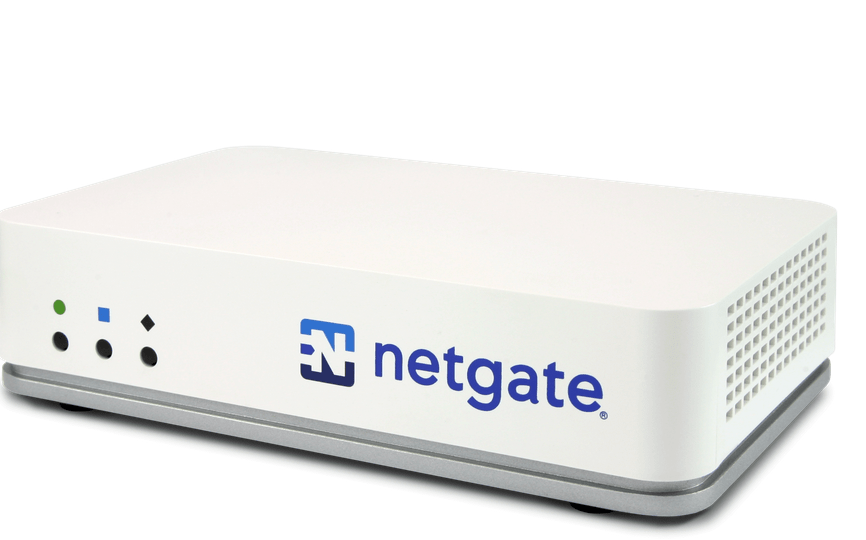
  • A Deep Dive into Using a Netgate for Your Home Network

    A Deep Dive into Using a Netgate for Your Home Network

    Netgate, the company behind pfSense, is renowned for providing powerful, open-source firewall and router solutions. For many home users, integrating a Netgate appliance into their home network is an ideal way to achieve enterprise-grade security and flexibility. This article takes a deep dive into what makes Netgate appliances suitable for home use, how to set them up, and the potential benefits they bring.


    Why Choose Netgate for Your Home Network?

    Netgate appliances stand out for several reasons:

    1. pfSense Software: At the heart of every Netgate appliance is pfSense, a free and open-source firewall/router software that offers a wide array of features such as VPN, traffic shaping, IDS/IPS, and more.
    2. Enterprise-Grade Security: With built-in tools like firewall rules, intrusion detection/prevention (IDS/IPS), and advanced logging, Netgate appliances provide a high level of protection against external threats.
    3. Customizability: pfSense is highly customizable, allowing advanced users to tailor the network to their specific needs.
    4. Scalability: Whether you’re managing a small apartment or a large home with multiple IoT devices, Netgate appliances can handle various network sizes efficiently.
    5. Cost-Effectiveness: While the initial investment may seem high, the long-term benefits and lack of subscription fees make Netgate appliances an excellent value.

    Selecting the right Netgate Appliance

    Netgate offers several appliances tailored to different needs:

    • Netgate 1100: Ideal for small homes or apartments, offering affordability and compactness without compromising performance.
    • Netgate 2100: A step up in processing power, suitable for homes with moderate internet usage and multiple devices.
    • Netgate 4100/6100: Designed for power users, these appliances support high-speed connections, advanced features, and larger device counts.

    When choosing, consider the following:

    • Internet Speed: Ensure the appliance can handle your ISP’s speeds.
    • Device Count: More devices typically require a more robust appliance.
    • Advanced Features: If you’ll be using VPNs, VLANs, or IDS/IPS extensively, opt for a higher-end model.

    Setting Up Your Netgate Appliance

    1. Unboxing and Initial Setup

    • Connect the WAN port to your modem and the LAN port to a switch or directly to your computer.
    • Access the pfSense web interface by navigating to 192.168.1.1 in your browser. The default login credentials are admin/pfsense.

    2. Initial Configuration

    • Run the Setup Wizard: Follow the step-by-step setup wizard to configure basic settings like hostname, DNS servers, and WAN/LAN interfaces.
    • Change Default Passwords: Update both the admin and console passwords immediately to secure the device.

    3. Network Configuration

    • LAN Setup: Configure your LAN with a subnet that suits your needs (e.g., 192.168.10.0/24).
    • DHCP Server: Enable and customize the DHCP server for dynamic IP assignment.
    • Port Forwarding: Set up port forwarding rules for services like gaming or hosting a server.

    4. Enabling Advanced Features

    • Firewall Rules: Create rules to allow or block specific traffic.
    • VPN Setup: Configure OpenVPN or WireGuard for secure remote access.
    • IDS/IPS: Enable Suricata or Snort to monitor and prevent intrusions.
    • VLANs: Segment your network for better organization and security (e.g., separating IoT devices from personal devices).

    Benefits of Using Netgate at Home

    1. Enhanced Security: Protect your network from external threats with a robust firewall, intrusion detection/prevention, and advanced monitoring tools.
    2. Privacy: Easily configure a VPN to encrypt your internet traffic, ensuring privacy from your ISP and other third parties.
    3. Traffic Optimization: Use Quality of Service (QoS) and traffic shaping to prioritize critical activities like video calls or gaming.
    4. IoT Segmentation: Separate IoT devices from your main network to prevent potential vulnerabilities.
    5. Advanced Logging and Monitoring: Gain full visibility into network traffic and events for troubleshooting or analysis.

    Challenges and Considerations

    While Netgate appliances are powerful, they come with a learning curve. Here are a few challenges:

    • Complexity: pfSense is feature-rich, which can be overwhelming for beginners.
    • Cost: Initial investment is higher compared to consumer-grade routers.
    • Maintenance: Regular updates and monitoring are required to keep the system secure and efficient.

    For those new to Netgate or pfSense, there are abundant resources, including official documentation, forums, and video tutorials, to help you get started.


    Integrating a Netgate appliance into your home network is an investment in security, privacy, and performance. While there’s a learning curve, the customization and control offered by pfSense make it well worth the effort for those seeking a robust and reliable networking solution. Whether you’re a tech enthusiast, a work-from-home professional, or someone with a smart home full of IoT devices, Netgate can elevate your home networking experience.

  • Understanding VPNs: The Good, The Bad, and Why Mullvad VPN Stands Out

    Understanding VPNs: The Good, The Bad, and Why Mullvad VPN Stands Out

    Introduction to VPNs

    In today’s hyperconnected world, privacy and security are becoming increasingly critical. A Virtual Private Network (VPN) is one of the most popular tools for protecting your online activity. By encrypting your internet traffic and routing it through secure servers, a VPN keeps your browsing private, helps bypass geographic restrictions, and shields you from hackers on public Wi-Fi.

    But not all VPNs are created equal. In this post, we’ll explore the differences between good and bad VPNs, how to identify a trustworthy provider, and why Mullvad VPN is an excellent choice for those serious about privacy.


    The Good and Bad of VPNs

    Good VPNs

    A good VPN provider prioritizes user privacy and security. Some hallmarks of a trustworthy VPN include:

    1. No Logs Policy:
      A good VPN doesn’t keep logs of your online activities, ensuring there’s no data to hand over in case of legal requests.
    2. Strong Encryption:
      VPNs should use modern encryption standards like AES-256 to ensure your data remains secure.
    3. Independent Audits:
      Transparent providers allow third-party audits of their service to prove they’re upholding their promises.
    4. No Tracking:
      Good VPNs avoid tracking or collecting user data, focusing purely on delivering privacy and security.
    5. Robust Features:
      • A wide network of servers in various locations.
      • Support for OpenVPN, WireGuard, or other secure protocols.
      • Kill switches to prevent data leaks if the VPN disconnects.
      • DNS and IPv6 leak protection.

    Bad VPNs

    Some VPNs do more harm than good. Here’s what to watch out for:

    1. Logs and Data Collection:
      Many free or poorly designed VPNs log your activity, including your IP address, websites visited, and connection timestamps. These logs can be sold to advertisers or handed over to authorities.
    2. Ads and Malware:
      Free VPNs often inject ads or, worse, malware into your browsing experience. They may even use your bandwidth for shady purposes.
    3. Slow Speeds:
      Bad VPNs have poor infrastructure, resulting in slow connections and unreliable performance.
    4. Lack of Transparency:
      If a VPN provider hides its ownership or avoids publishing its privacy policy, it’s a red flag.
    5. Limited or Unsecure Protocols:
      VPNs that lack support for secure protocols like WireGuard or use outdated methods (e.g., PPTP) put your data at risk.

    Mullvad VPN: Privacy Without Compromise

    When it comes to VPNs, Mullvad VPN is a standout provider that has earned a reputation for its unwavering commitment to privacy and security.

    Why Choose Mullvad VPN?

    1. Truly No-Logs Policy:
      Mullvad takes privacy seriously. They don’t log your online activity, IP address, or any identifying information. In fact, you don’t even need an email address to create an account! Mullvad assigns you an anonymous account number for authentication.
    2. Transparent Ownership:
      Mullvad is operated by Amagicom AB, a Swedish company, and they’ve been upfront about their ownership and business practices.
    3. Strong Encryption:
      Mullvad supports WireGuard, a cutting-edge VPN protocol known for its speed and robust security. Your data is encrypted using state-of-the-art standards.
    4. Independent Audits:
      Mullvad has undergone independent security audits, demonstrating their commitment to transparency and trustworthiness.
    5. Anonymous Payment Options:
      Mullvad lets you pay anonymously using cash, cryptocurrency, or traditional payment methods like PayPal and credit cards.
    6. Flat Pricing:
      Unlike many VPNs with tiered pricing or long-term contracts, Mullvad has a straightforward, no-nonsense flat rate (€5 per month).
    7. No Bandwidth Throttling:
      Mullvad ensures fast, reliable connections without throttling, making it suitable for streaming, gaming, and torrenting.
    8. Privacy by Default:
      Mullvad blocks trackers and ads at the DNS level, providing an additional layer of privacy.

    What Sets Mullvad Apart?

    Mullvad’s refusal to collect any unnecessary data is unparalleled. Their commitment to privacy goes beyond marketing, making them a trusted choice for privacy advocates, journalists, and anyone looking to escape surveillance.


    How to Choose a VPN

    When evaluating VPNs, ask yourself the following questions:

    1. Does the VPN log your data?
      Look for a clear no-logs policy backed by audits.
    2. What encryption standards does it use?
      Ensure the VPN supports modern protocols like WireGuard or OpenVPN.
    3. Is the service transparent and reputable?
      Research the company behind the VPN and look for reviews from trusted sources.
    4. What’s their track record?
      Has the VPN ever suffered data breaches or been caught lying about its practices?
    5. What’s the pricing model?
      Avoid free VPNs, as they often rely on ads or data collection.

    Final thoughts

    VPNs are essential tools for protecting your online privacy, but it’s crucial to choose wisely. While bad VPNs can compromise your security and track your activity, good VPNs like Mullvad VPN offer transparency, strong encryption, and a true commitment to privacy.

    With Mullvad’s simple pricing, no-logs policy, and robust features, it’s a great choice for anyone seeking a reliable VPN solution. Whether you’re bypassing geographic restrictions, blocking trackers, or protecting your data on public Wi-Fi, Mullvad has you covered.

  • How to Set Up Your Own Pi-hole: A Comprehensive Guide

    How to Set Up Your Own Pi-hole: A Comprehensive Guide

    Introduction to Pi-hole

    Pi-hole is a powerful, open-source network-wide ad blocker that acts as a DNS (Domain Name System) sinkhole, blocking advertisements, trackers, and malicious domains across your entire network. It’s lightweight, efficient, and incredibly useful for anyone who wants to improve internet speed and security while reducing the annoyance of intrusive ads.

    In this blog post, we’ll walk you through the entire process of setting up Pi-hole, the pros and cons of using it, and how to configure your devices to use it for a cleaner, faster internet experience.


    Why You Should Use Pi-hole

    Pros of Pi-hole:

    1. Ad Blocking Across Your Network: Pi-hole blocks all ads, trackers, and other unwanted content on every device connected to your network. Whether it’s your smartphone, tablet, smart TV, or laptop, Pi-hole works across all devices without requiring additional software.
    2. Improved Internet Speed: By blocking ads at the DNS level, Pi-hole reduces the amount of unnecessary data your devices have to download. This results in faster loading times for websites and apps, especially on mobile devices.
    3. Enhanced Privacy: Pi-hole helps protect your privacy by blocking tracking scripts and other malicious content that advertisers often use to track your online behavior.
    4. Easy to Set Up: Pi-hole is relatively easy to install and configure, especially on a Raspberry Pi, but it can also be run on Linux or even Docker on other hardware.
    5. Free and Open Source: Pi-hole is completely free, and its open-source nature means that it’s constantly updated and improved by the community.

    Cons of Pi-hole:

    1. Doesn’t Block All Ads: While Pi-hole blocks a large number of ads, it’s not perfect. Some ads may still slip through, especially if they use non-standard methods for serving content. However, Pi-hole has community-driven lists to constantly improve blocking.
    2. Requires Maintenance: You may need to occasionally update Pi-hole’s blocklists or troubleshoot certain configurations, especially if a new device or service bypasses the blocker.
    3. Compatibility Issues with Some Services: Some websites or apps may not work properly when Pi-hole blocks certain resources, such as login screens or video streaming services. You may have to whitelist specific domains to get them working.
    4. Requires a Dedicated Device: Although Pi-hole can run on low-powered devices like a Raspberry Pi, it still requires a device that’s always on in your network. If the device goes offline, your ad blocking will cease functioning.

    How to Set Up Pi-hole

    Prerequisites:

    • A Raspberry Pi (Pi 3/4 is recommended for best performance, but even a Pi Zero W can suffice)
    • A microSD card (at least 8 GB)
    • An internet connection
    • A computer to perform the setup (with SSH access to the Pi)
    • Basic knowledge of using terminal commands

    Step-by-Step Pi-hole Installation

    1. Prepare Your Raspberry Pi:
      • Flash your Raspberry Pi’s SD card with Raspberry Pi OS using the Raspberry Pi Imager.
      • Once flashed, boot up your Raspberry Pi and connect it to the internet either via Wi-Fi or Ethernet.
    2. Update Your Raspberry Pi:
      • Open a terminal window and update the system: sudo apt update && sudo apt upgrade -y
    3. Install Pi-hole:
      • Pi-hole’s installation script simplifies the setup process. Run the following command to start the installation: curl -sSL https://install.pi-hole.net | bash
    4. Follow the Installation Wizard:
      • The Pi-hole installer will guide you through the process. You’ll be asked to:
        • Choose your network interface (Ethernet or Wi-Fi).
        • Select a DNS provider (Google, OpenDNS, or others).
        • Choose an upstream DNS server (for resolving requests Pi-hole cannot block).
        • Set an admin password (for Pi-hole’s web interface).
        • Enable or disable blocking of ads over IPv6 (recommended to enable for full protection).
    5. Access the Pi-hole Web Interface:
      • After installation, you can access Pi-hole’s web interface by navigating to your Raspberry Pi’s IP address in your browser, followed by /admin (e.g., http://192.168.1.100/admin).
      • Log in with the admin password you set up during installation.

    How to Configure Devices to Use Pi-hole

    After Pi-hole is installed and running, it’s time to configure your network devices to route their DNS requests through Pi-hole.

    Option 1: Set Pi-hole as Your Router’s DNS Server

    The easiest way to ensure all devices on your network use Pi-hole is by changing your router’s DNS settings. This way, Pi-hole will act as the default DNS server for all connected devices.

    1. Log in to Your Router:
      • Open a web browser and navigate to your router’s IP address (usually something like 192.168.1.1 or 192.168.0.1).
      • Enter your username and password to log in to the router’s admin interface.
    2. Find DNS Settings:
      • Look for the DNS configuration section. This is typically found under the Network, LAN, or Advanced settings.
    3. Set Pi-hole as the DNS Server:
      • Enter your Raspberry Pi’s IP address as the primary DNS server.
      • You can leave the secondary DNS server blank, or enter a fallback DNS provider (e.g., Google DNS 8.8.8.8).
    4. Save and Reboot:
      • Save the settings and reboot your router. All devices connected to your network should now use Pi-hole for DNS.

    Option 2: Manually Set DNS on Individual Devices

    If you don’t want to modify your router settings or prefer to configure devices individually, you can manually set Pi-hole’s IP address as the DNS server on each device.

    1. For Windows:
      • Open Control Panel and go to Network and Sharing Center.
      • Click on your active connection, then go to Properties.
      • Select Internet Protocol Version 4 (TCP/IPv4) and click Properties.
      • Set the Preferred DNS server to your Raspberry Pi’s IP address and click OK.
    2. For macOS:
      • Open System Preferences > Network.
      • Select your network connection and click Advanced.
      • Go to the DNS tab, then add your Raspberry Pi’s IP address under the DNS Servers list.
    3. For Android and iOS:
      • Go to your device’s Wi-Fi settings and select your network.
      • For Android, tap Advanced and then set the DNS server to your Pi’s IP address.
      • On iOS, tap Configure DNS and select Manual, then add your Pi-hole IP.

    Managing and Monitoring Pi-hole

    Once Pi-hole is set up, you can manage and monitor it from the web interface:

    • Blocklists: Pi-hole uses a set of predefined blocklists, but you can add more to improve blocking capabilities.
    • Logs: Pi-hole tracks all DNS requests, and you can monitor which domains are being queried in real-time.
    • Whitelist/Blacklist: You can manually add domains to a whitelist or blacklist, depending on whether you want to block or allow specific domains.

    Setting up Pi-hole is a great way to improve your network’s privacy and performance while reducing the annoyance of ads. By following this guide, you should be able to install and configure Pi-hole on your Raspberry Pi and set up your devices to use it as the DNS server. With its easy setup and minimal maintenance, Pi-hole is an excellent tool for anyone looking to have more control over their online experience.

    If you encounter any issues or need more advanced configurations, feel free to explore Pi-hole’s extensive documentation or ask for help in their community forums.

    Happy almost ad-free browsing!

  • Analyzing the Current Landscape of NAS for Home Use: A Cybersecurity Perspective

    Analyzing the Current Landscape of NAS for Home Use: A Cybersecurity Perspective

    Network-Attached Storage (NAS) devices have become an integral part of modern households. They offer centralized storage, media streaming, and even remote access, making them a favorite for tech enthusiasts and families alike. However, as with any internet-connected device, NAS devices are not immune to cybersecurity threats. This post analyzes the current NAS options for home use from a cybersecurity standpoint, helping you make an informed choice.

    Key Cybersecurity Criteria for Evaluating NAS Devices

    1. Operating System Security: A secure operating system is fundamental to a NAS device. Regular updates, patch management, and a hardened kernel are critical.
    2. Access Controls: Robust user authentication and permission systems help restrict unauthorized access.
    3. Remote Access Security: Features like end-to-end encryption, VPN support, and two-factor authentication (2FA) are vital for safe remote access.
    4. Data Encryption: Encryption, both at rest and in transit, ensures data confidentiality even if the device is compromised.
    5. Network Security: Integration with firewall rules, support for intrusion detection/prevention systems (IDS/IPS), and strong default settings.
    6. Incident Response: The ability to detect, log, and alert users of suspicious activities.

    Top NAS Brands and Their Cybersecurity Features

    1. Synology
      • Strengths: Synology DSM (DiskStation Manager) is frequently updated with security patches. Built-in 2FA, comprehensive user permission controls, and integrated VPN server support make it a strong contender.
      • Weaknesses: While the interface is user-friendly, advanced configurations might require expertise to fully harden against threats.
    2. QNAP
      • Strengths: QNAP’s QTS system offers AES-256 encryption, SSL certificate management, and IP whitelisting/blacklisting. Frequent firmware updates address vulnerabilities promptly.
      • Weaknesses: QNAP devices have been targets for ransomware attacks, highlighting the importance of diligent patching and proper configuration.
    3. Western Digital (WD)
      • Strengths: My Cloud devices include basic security features like HTTPS support and password-protected access.
      • Weaknesses: Compared to Synology and QNAP, WD often lags in proactive updates and advanced security features, leaving them more vulnerable to attacks.
    4. Asustor
      • Strengths: Asustor ADM includes snapshot backup technology, strong encryption options, and frequent updates.
      • Weaknesses: While security features are robust, the interface can be less intuitive, potentially leading to misconfigurations.

    Best Practices for Securing Your NAS

    1. Update Regularly: Ensure your NAS firmware and apps are always up-to-date.
    2. Harden Remote Access: Disable remote access features if not needed. If used, rely on VPNs and enable 2FA.
    3. Strong Passwords: Use complex passwords and avoid default credentials.
    4. Backup Strategically: Use 3-2-1 backup principles (3 copies of data, 2 different media, 1 offsite copy).
    5. Monitor and Log Activities: Enable logging and set up alerts for suspicious activity.
    6. Isolate on the Network: Place your NAS on a dedicated VLAN or subnet to reduce exposure.

    The cybersecurity of NAS devices largely depends on the manufacturer’s diligence and the user’s awareness. Synology and QNAP stand out for their comprehensive feature sets and commitment to updates, but no device is entirely foolproof. By selecting a NAS with strong cybersecurity features and following best practices, you can ensure that your data remains safe and accessible.

  • Tracking and Privacy in Over-the-Top (OTT) Streaming Devices

    Tracking and Privacy in Over-the-Top (OTT) Streaming Devices

    Source: Watching You Watch: The Tracking Ecosystem of Over-the-Top TV Streaming Devices by Mohajeri Moghaddam et al. (CCS ‘19)

    Main Themes:

    • Pervasive Tracking in OTT Streaming Devices: The study reveals widespread tracking practices within Over-the-Top (OTT) streaming devices like Roku and Amazon Fire TV. Trackers collect and transmit user data, often without explicit consent or effective countermeasures.
    • Identifier and Information Leakage: OTT channels leak sensitive user information, including persistent identifiers like MAC addresses, serial numbers, and WiFi SSIDs, as well as video viewing preferences, to numerous tracking domains.
    • Ineffectiveness of Privacy Controls: Built-in privacy controls like “Limit Ad Tracking” (Roku) and “Disable Interest-based Ads” (Amazon) are largely ineffective in preventing data collection and transmission to tracking domains.
    • Security Vulnerabilities in Remote Control APIs: Vulnerabilities in local remote control APIs expose OTT devices to attacks by malicious web scripts, potentially allowing unauthorized access to device information and control over functionalities.

    Key Findings:

    • Prevalence of Trackers: Tracking domains were found in 69% of Roku channels and 89% of Amazon Fire TV channels studied. Google and Facebook tracking services are highly prevalent, mirroring similar findings on web and mobile platforms.
    • Top Trackers: The most prevalent trackers included doubleclick.net (Google) and google-analytics.com on Roku, and amazon-adsystem.com and crashlytics.com on Amazon Fire TV.
    • Leakage of Persistent Identifiers: A significant number of channels were found to leak persistent identifiers like AD IDs, MAC addresses, and serial numbers, undermining the effectiveness of resetting advertising IDs as a privacy measure. Quote: “Moreover, widespread collection of persistent device identifiers like MAC addresses and serial numbers disables one of the few defenses available to users: resetting their advertising IDs.”
    • Video Title Leakage: Tracking domains were observed receiving information about the titles of videos being watched, revealing user viewing habits. Quote: “We found 9 channels on Roku and 14 channels on the Fire TV … that leaked the title of the video to a tracking domain.”
    • Ineffective Privacy Settings: While “Limit Ad Tracking” on Roku eliminated AD ID leaks, it did not reduce the number of trackers contacted. Similarly, “Disable Interest-based Ads” on Amazon only reduced data collection by Amazon’s own advertising system. Quote: “Our data, however, reveals that even when the privacy option is enabled, there are a number of other identifiers that can be used to track users, bypassing the privacy protections built into these platforms”
    • DNS Rebinding Vulnerability (Roku): Roku’s External Control API was found to be vulnerable to DNS rebinding attacks, allowing malicious web scripts to collect sensitive data, install/uninstall channels, and even geolocate users.

    Recommendations:

    • Implement stronger privacy controls, akin to “Incognito Mode” in web browsers, to limit data collection and prevent cross-profile tracking.
    • Provide mechanisms for users to monitor their network traffic, enabling transparency and analysis of channel behavior.
    • Enhance security of local APIs to mitigate risks of unauthorized access and control.
    • Regulators should use the tools developed in this study to inspect channels and enforce privacy regulations in the OTT ecosystem.

    Conclusion:

    This research underscores the urgent need for improved privacy and security measures within the OTT streaming device ecosystem. Current practices expose users to extensive tracking and data leakage, often without their knowledge or consent. Stronger privacy controls, transparent data collection practices, and robust security measures are crucial to protect user privacy and build trust in these platforms.

  • Securing Your Home Router

    Securing Your Home Router

    In today’s hyper-connected world, your home router is the gateway to the digital realm. It connects all your devices to the internet, making it a critical piece of your home’s cybersecurity puzzle. Unfortunately, it’s often overlooked, leaving a door wide open for cyber threats. Below, I’ll explore some essential steps to secure your router and safeguard your home network.

    1. Use a Strong, Unique Password

    The default admin passwords that come with routers are easy targets for attackers. Changing your router’s admin credentials to a strong, unique password is your first line of defense. Consider using a mix of uppercase and lowercase letters, numbers, and special characters. Password managers can help generate and store secure passwords if needed.

    2. Disable Remote Management

    Remote management allows you to access your router from anywhere, but it also opens the door for attackers. Unless you absolutely need this feature (and most home users don’t), it’s best to disable it. This minimizes the attack surface of your network.

    3. Segregate IoT Devices

    The Internet of Things (IoT) has revolutionized our lives, but many IoT devices lack robust security measures. Segregate these devices by setting up a separate network for them. Many modern routers, like the Synology routers I use, allow you to create multiple SSIDs, ensuring your primary devices are shielded from potential IoT vulnerabilities.

    4. Avoid Universal Plug and Play (uPNP)

    While uPNP is convenient for gaming consoles and other devices to automatically configure port forwarding, it’s also a security risk. uPNP can allow malware to manipulate your router’s settings. Disabling this feature adds another layer of security to your network.

    5. Skip WPS (Wi-Fi Protected Setup)

    WPS was designed to simplify device connections, but it has known vulnerabilities that can be exploited by attackers. Disable WPS and stick to manually connecting devices to your network with a strong password.

    6. Keep Firmware Updated

    Router manufacturers regularly release firmware updates to patch security vulnerabilities and enhance functionality. Check for updates frequently or enable automatic updates if your router supports it. Staying updated ensures you’re protected against the latest threats.

    7. Use a Guest Network

    Instead of sharing your primary network password with visitors, set up a guest network. This keeps their devices isolated from your main devices and prevents accidental access to sensitive resources. Most routers make it easy to create and manage guest networks, adding convenience and security.

    Final Thoughts

    Your router is more than just a device that connects you to the internet—it’s the gatekeeper of your digital life. By taking proactive steps to secure it, you can significantly reduce your risk of cyber threats. Whether it’s changing passwords, disabling risky features, or updating firmware, every action contributes to a safer home network.

    Remember, the strength of your network’s security starts with you. Don’t wait until it’s too late—secure your router today and enjoy peace of mind in the digital age.